

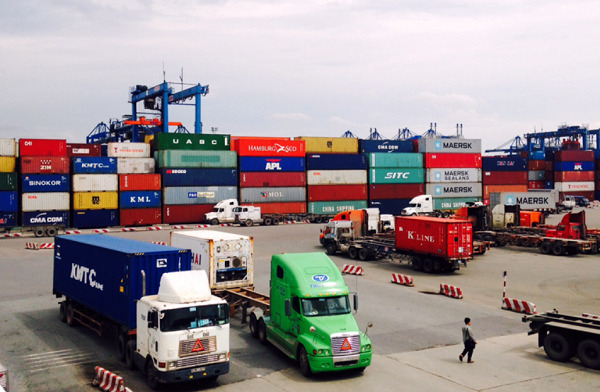
Every year, hundreds of thousands of containers full of cargo are left behind at ports around the world. The phenomenon of abandonment is not new. But it has become more of a headache for the logistics industry in the current Covid-19 environment, contributing to port congestion and increasing logistics costs. 1ST Shipping explores the problem of abandoned goods for shipping lines, freight forwarders and ports as well as for you – the exporter/importer.
1. What is Abandoned Goods?
The International Federation of Freight Forwarders Associations (FIATA) defines abandoned goods as those that “the consignee [importer] does not intend to receive after a reasonable period of time”. This includes cases where the importer cannot be identified or contacted or has refused to collect money.
But what FIATA calls a “reasonable time period” varies from country to country. In India, goods that are “not cleared, warehoused or transshipped within 30 days of discharge” are considered abandoned under Section 48 of the Customs Act 1962. In China, this period extends to 60 days. In the European Union and Australia, it’s 90 days. And in the US, it’s six months from the date of importation – although specialty goods (perishables, spirits, hazardous materials, etc.) have a shorter, indefinite period.
2. Why are the goods abandoned?
Common reasons why importers may not receive the goods they ordered:
· They are not satisfied with the quality of the goods
· They do not have the import license or permit required to claim the goods
· They went bankrupt
· They cannot pay import duties, taxes or other charges
. The shipment has been delayed and they don’t need it anymore
· They are in dispute with the exporter
· Damaged goods
. Goods held by customs due to violations (wrong declaration of goods, wrong documents, etc.)
· There has been an abrupt regulatory change prohibiting the import of certain goods.
3. What happens to abandoned goods?
Abandoned goods are handled in one of the following ways:
· They are confiscated and sold at auction
. They are destroyed (especially if they are perishable, of low value, dangerous, etc.)
. They are removed for parts
· They are recovered and returned to the origin by the shipper
· They are shipped to an alternate buyer
4. How to sell abandoned goods?
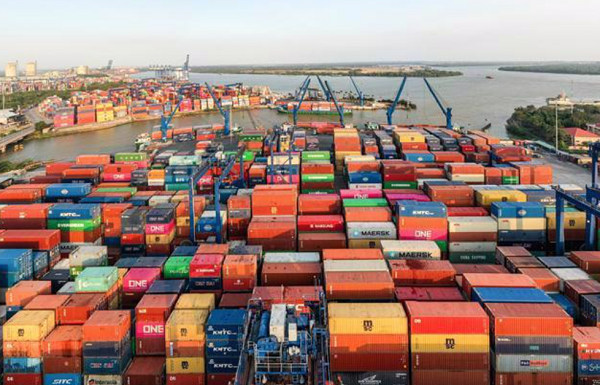
More often than not, abandoned goods go the auction route. The shipping line – or the forwarder, if they are designated as “primary shipper” in the Master Bill of Lading (MBL) and therefore bear all costs – can claim sales customs. Auction organized by customs. The proceeds are used to pay freight, warehousing, import duties, shipping and auction bills, along with any other related fees. If the proceeds are not sufficient, the shipping line can claim the balance from the shipper and/or sue them. If money is left from the auction, it will be returned to the consignor, otherwise it will be deposited in the state treasury.
A guide to disposal of abandoned goods sold at auction in India:
· Container freight station (CFS) custodian prepares abandoned cargo list and sends it to the customs commissioner.
· Within 10 days of receiving the list, customs notifies the manager of the consignments that can be auctioned and those that are subject to exclusion. Goods held for investigation/trial/court proceedings or those requiring permits/permits/certificates from government agencies are generally excluded.
· The custodian sends a notice to the importer asking them to clear the goods within 10 days from the date of notification.
· In the next 20 days, the custodian prepares a detailed inventory of the goods to be put up for auction. From this shipment, customs perform a sample inspection of 10% of the shipment.
· Within seven days of completing the inventory, the administrator will seek a certificate of no objection (NOC) from customs.
Within 15 days of this request, customs will issue NOCs for shipments that do not require regulatory clearance from government agencies (Drug Control Directorate of India, Standards and Security Authority of India). food safety of India, etc.) or chemical analysis to check whether the goods are fit for consumption/use. For the rest, customs waits for clearance reports and mandatory inspections before issuing their own NOCs.
· If the goods are deemed unfit for use, they will be destroyed.
· If goods are cleared for auction, the custodian will assess their value within seven days of receipt of the NOC. They then set an auction date.
· Bids equal to, less than or less than 5% of the reserve price are considered successful. For unsold goods, a second, third or even fourth auction may be held. At the fourth auction, the goods are sold to the highest bidder regardless of the starting price.
· For each shipment sold, the manager will submit an Entry Invoice to customs.
· Within 15 days, customs assesses the duty payable against it.
· The winning bidder receives the goods to pay tax.
5. Who is responsible for abandoned goods?
· Exporter / Importer: As the consignor / consignee / shipper, they are responsible. Generally, the freight forwarder responsible for the goods can air freight to the contracting party while the port of entry is responsible for the importer.
· Freight forwarder: If identified as “main” and not “agent” on MBL, the forwarder is directly responsible to the shipping line and must pay for storage, transportation and destruction of the goods. .
· Shipping lines: If the forwarder is not the main shipper, the shipping line has a direct contractual relationship with the shipper. This puts the shipping line in a tight spot as any delay in paying port officials could affect its operations, resulting in losses. If the cargo is packed in a container that is not its own, the shipping line may even have to pay the leasing company.
Lien: Along with liability, shipping lines and forwarders have a lien over abandoned cargo. Lien is “the right to keep someone’s property until the debt is paid”. They can exercise this right “reasonably” – such as a customs-approved auction – to recover the amount they owe and the cost of recovery that is due.
6. Covid-19 and abandoned goods
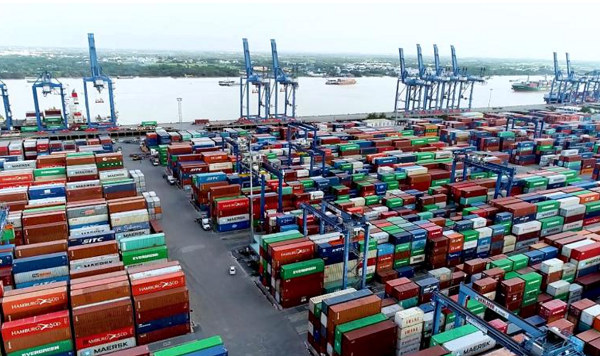
The coronavirus pandemic and country-imposed closures have dealt a blow to the shipping industry. As businesses and the economy slow down, shipping lines face record cancellations and cancellations of record trips. Abandoned goods are also piled up at ports. A significant portion of the containers stuck at ports and terminals due to movement restrictions, border closures and labor shortages were eventually abandoned. Why does this happen?
· With the market frozen, demand reduced and goods stuck in transit, buyers no longer need the goods. For many of them, their businesses have suffered irreparable losses.
· A large portion of abandoned goods are likely to be perishable goods (food, pharmaceuticals), which require special conditions for transport and storage.
Delays in delivery also render many goods with a short shelf life useless.
7. How to prevent getting stuck with abandoned goods
Shipping lines and forwarders can save themselves a lot of trouble with these precautionary steps:
· Work with reputable shippers. Confirm whether the contracting party is genuine and financially viable. FIATA recommends using original documents, using the company’s landline for communication, and verifying email addresses.
· Beware of scraps, scraps, low value goods, used goods, counterfeit goods and personal belongings as they have a very high chance of being abandoned.
Be cautious when receiving difficult or expensive goods (computers, phones, used tires)
· Watch out for sanctions and embargoes, especially at the port of destination.
· Pre-verify importer credentials.
· Keep records to identify common patterns such as unreliable shippers, risky cargo, risky trade routes, abandoned cargo hotspots.
· Shipping lines can only choose to load goods on board the ship after the consignor submits the export declaration, which is proof that the goods have a buyer.
· If the goods are shipped as “Receive”, it is better for the shipping line to have a written confirmation from the buyer.
· During the drafting of the contract, the freight forwarder should include a liability clause in the event of cargo being dropped.
They can also protect themselves with Freight Forwarder Liability Insurance, which covers abandoned goods.
8. What to do when stuck with abandoned goods
Even with these precautions in place, it is sometimes unavoidable to get piled up with abandoned goods. Here’s how to effectively deal with such a troubling situation:
· Notify importer/exporter as soon as free time is up. If they do not want to pick up the goods, ask for immediate written instructions to change the buyer/destination or abandon the goods. Clearly communicate their financial responsibilities.
· Speed is key. The longer it takes you to act, the higher the cost. If the costs involved exceed the value of the goods, selling them will not solve your problem.
· Consider cheaper storage options (infrastructure) to save on storage and detention costs.
· Know the customs law you are dealing with. As mentioned earlier, different jurisdictions have different regulations. Exercising your lien may be subject to both local laws and contract terms. Your local dealer can keep you up to date
· FIATA believes that digitization is a solution to the abandoned goods crisis. It recommends, among others, easy-to-track smart containers and digital contract and communication systems so that all parties can secure themselves right in the contract drafting phase.
With the pandemic still raging, shutdowns still a reality, and economies still in the red, the abandoned commodity crisis isn’t going away anytime soon. Currently, preventive action seems to be the only defense against it.
Here 1ST Shipping has shared with you full information about abandoned goods. Hope the article helps you!