

Currently, containers are being used extremely popularly in the transportation industry. So do you know the definition of container ? Join 1ST Shipping to learn the most common concepts and types of containers in the following article.
1. What is the concept of a container?
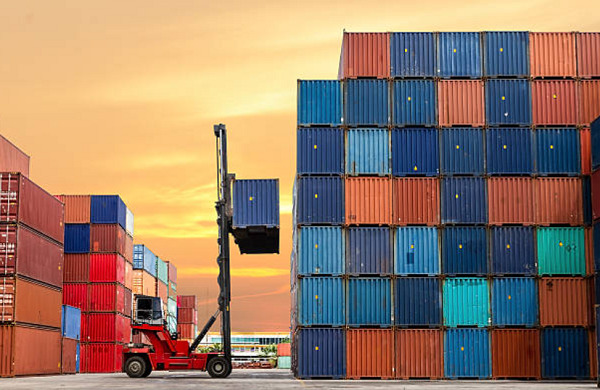
Containers, also known as “cont” or “cont”, are designed as rectangular boxes with large dimensions. This product is made of steel, hollow inside, has 2 open/close doors and has a locking latch to protect the goods inside. Currently, containers are known by many different names such as: ISO Container, Cargo Container, Sea Container, Conex box.
Containers play an important role in the transportation industry to help keep goods safe.
2. Container structure
The basic structure of a department store container is a rectangular box with 6 planes mounted on a steel frame and divided into different main parts: frame, floor, roof panels, front, back and doors, vertical wall, mounting angle.
– The frame of the container: has a rectangular box made of steel. This is the most important part that determines the bearing capacity of a container.
– The roof of the container: is a metal plate made from aluminum steel with extremely strong wavy waves. The product is not rusty to help ensure the safety of the goods inside during transportation.
– Container vertical walls: are metal sheets with undulating waves to help prevent rain from stagnation and increase the bearing capacity of the container. These vertical walls help shield the two sides to protect the goods safely.
– The bottom and floor of the container: are the horizontal beams connected to the bottom 2 beams and connected to the frame of the container to form a block with greater bearing capacity.
– Container front: are metal steel plates without doors that are corrugated in square blocks.
– The back and the container door: are 2 flat metal plates, the door is attached to the container frame thanks to extremely strong hinges.
– Container assembly corner: made from steel and welded to match the corners at the top and bottom of the container. The use of the docking angle is to tie the cargo rope during the lifting and stacking process inside the container.
3. Benefits of containers
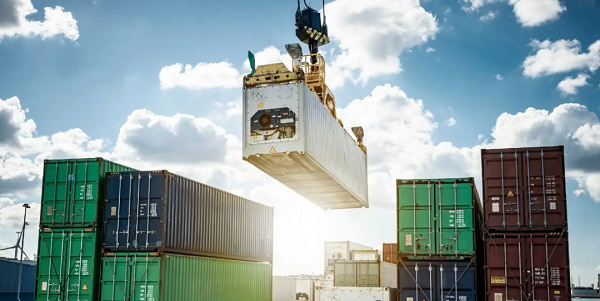
Currently, the container is commonly used in sea shipping because it brings a lot of benefits:
– Helps increase the efficiency of loading and unloading goods.
– Reduce damage caused by theft, damage and loss of goods.
– Reduce the costs of loading and unloading and logistics.
– Reduce the cost of goods in transit.
– Helping ships to carry more goods without spending time at the port.
– Making the distribution of domestic goods by train and truck more convenient and easier.
– Play an important role in the process of economic globalization.
4. Common types of containers today
Currently, in addition to dry cargo containers, department stores also have refrigerated containers for fresh goods, accounting for about 6% of the market share. Flat container and tank container account for about 0.75% of the remaining market share.
4.1 Departmental Containers
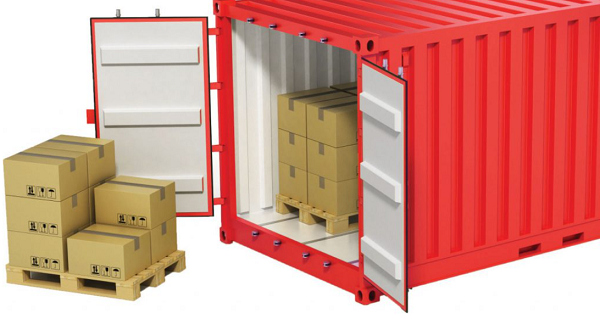
Departmental containers, also known as dry containers, are used to transport dry goods including 20, 40 and 40 high containers, often used to transport goods by sea.
– Cont 20: contains goods, furniture, packaged goods, …
– Cont 40: used to pack and transport bales, cartons, furniture, etc.
– High container 40: has a larger volume than the other two types and is used to store goods like cont 20, cont 40.
4.2 Container open lid
An open-top container, also known as an open-roof container, is a type that is designed without a roof above and uses a tarpaulin to cover the goods. This type of container is suitable for transporting construction equipment, wood, and long, bulky machinery.
4.3 Refrigerated Containers
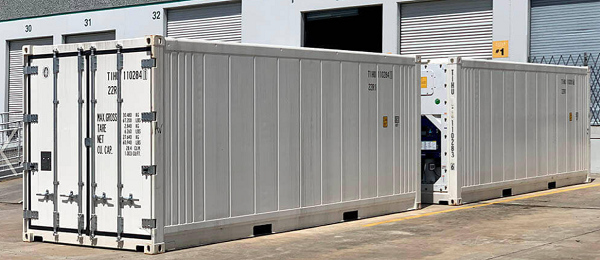
Refrigerated containers are designed with internal heat preservation devices using direct cooling systems or using clamping machines mounted in front of the container. This container is often used to hold goods, agricultural products, food, medicine or other temperature-sensitive goods that need to be carefully preserved during transportation.
4.4 Convertible Containers
The converted container is designed to cut off 2 steel walls and use tarpaulin to cover the goods, so it is very convenient when dismantling the goods. This type of container is often used to carry goods: cars, drinking water, motorbikes, etc.
4.5 Flat Containers
The flat container type is designed with no roof, no walls, but only a very hard and solid floor. This type of container has two front and rear walls that can be fixed, folded or disassembled, so when dismantling the goods will save time.
4.6 Tank Containers
Containers are made from steel, aluminum or stainless steel that meet ISO standards with high durability, very solid. This type of container is used to carry liquid goods: oil, gasoline, mercury, water.
Above is an article by 1ST Shipping that introduces the concept of what a container is and the common types of containers today. Hope this article helps you!!!